Search the room, not a menu.
Tap lab equipment, drawers, terminals, badges, notes, and sealed doors to uncover the clue trail.
Release-candidate build / Dangiom Research Facility Lockdown
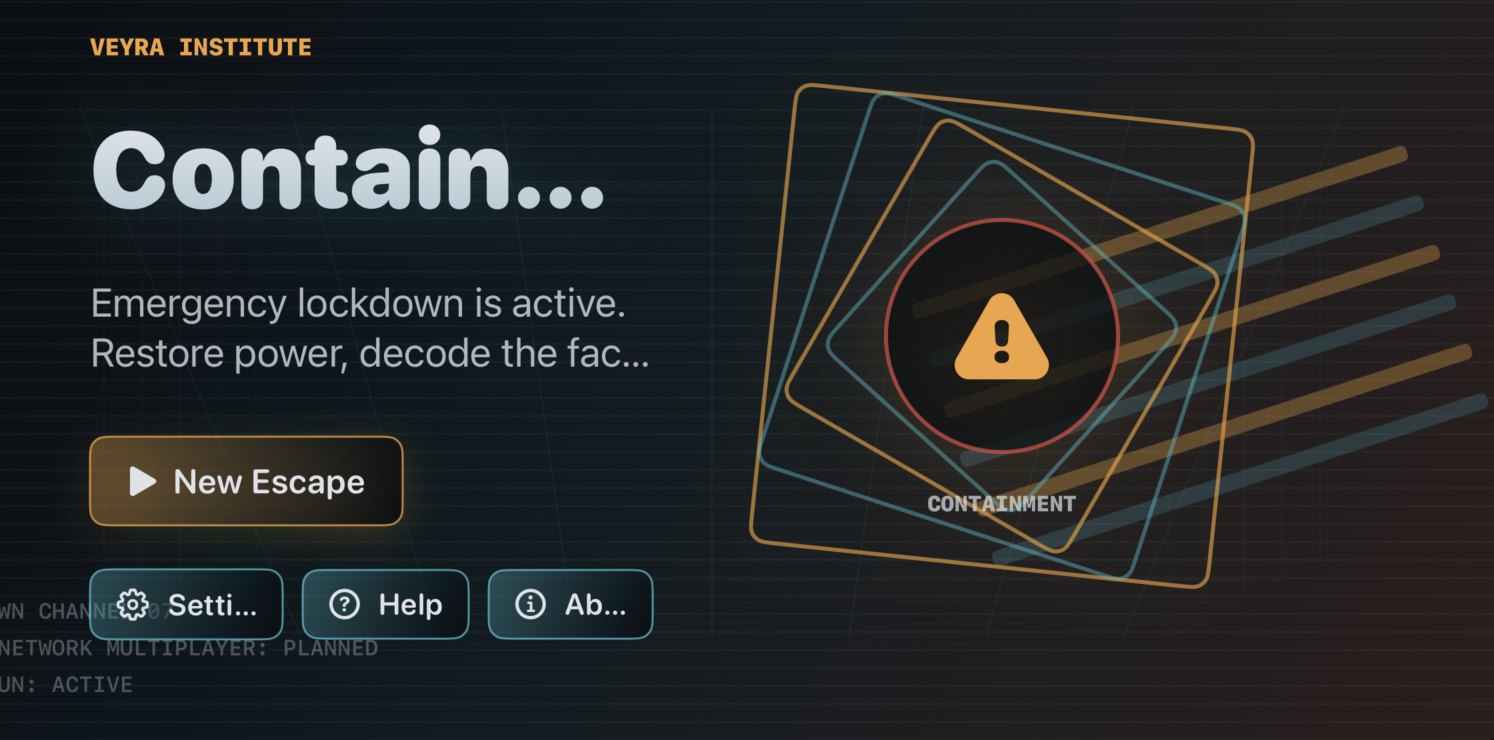
Wake inside a silent research facility after the doors seal themselves. Search the room, restore broken systems, and work out what the staff were hiding. Eight connected sectors, a Daily Room shared by every player, and run-specific mechanisms that change what each escape asks of you.
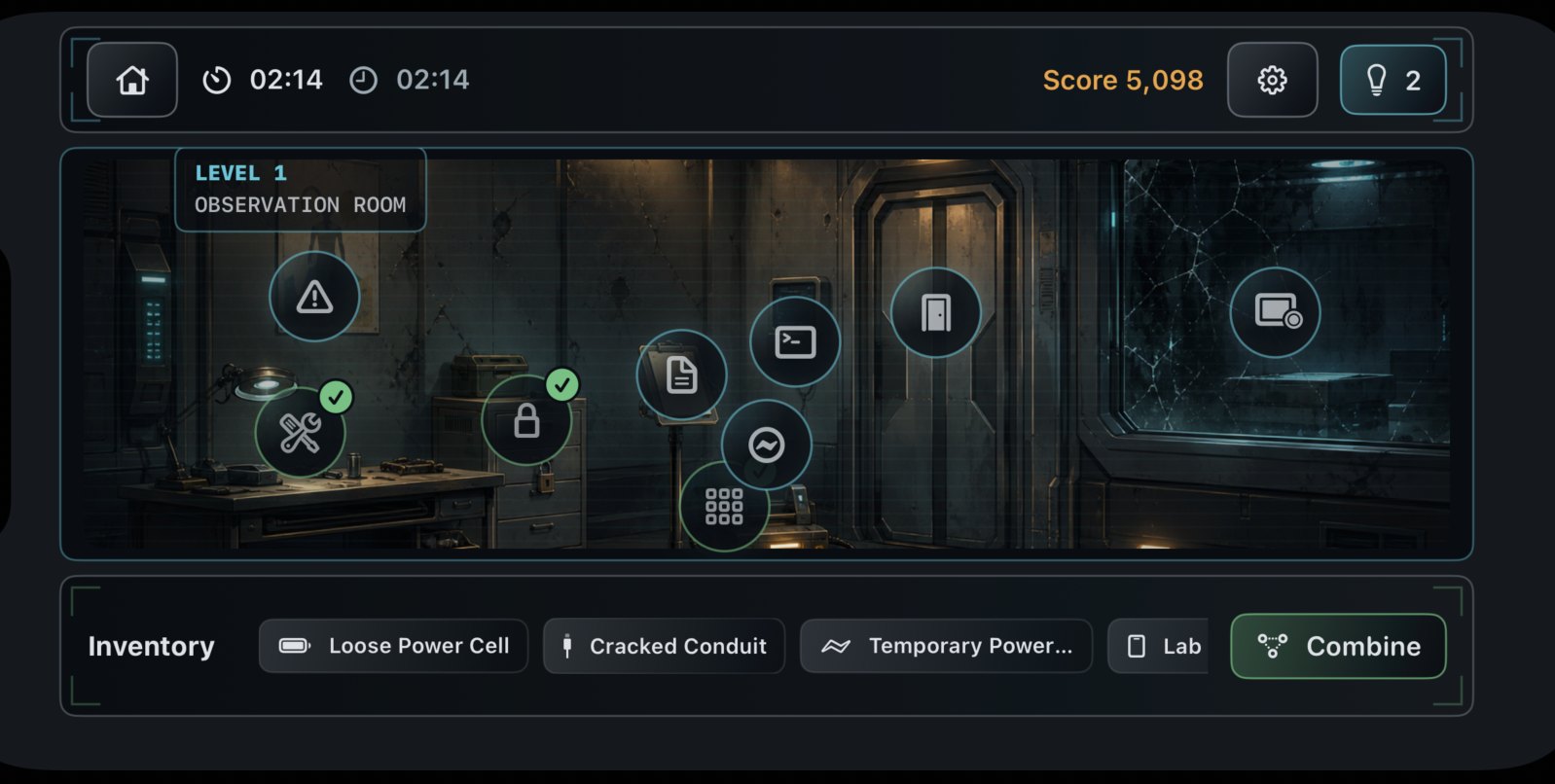
Screenshots
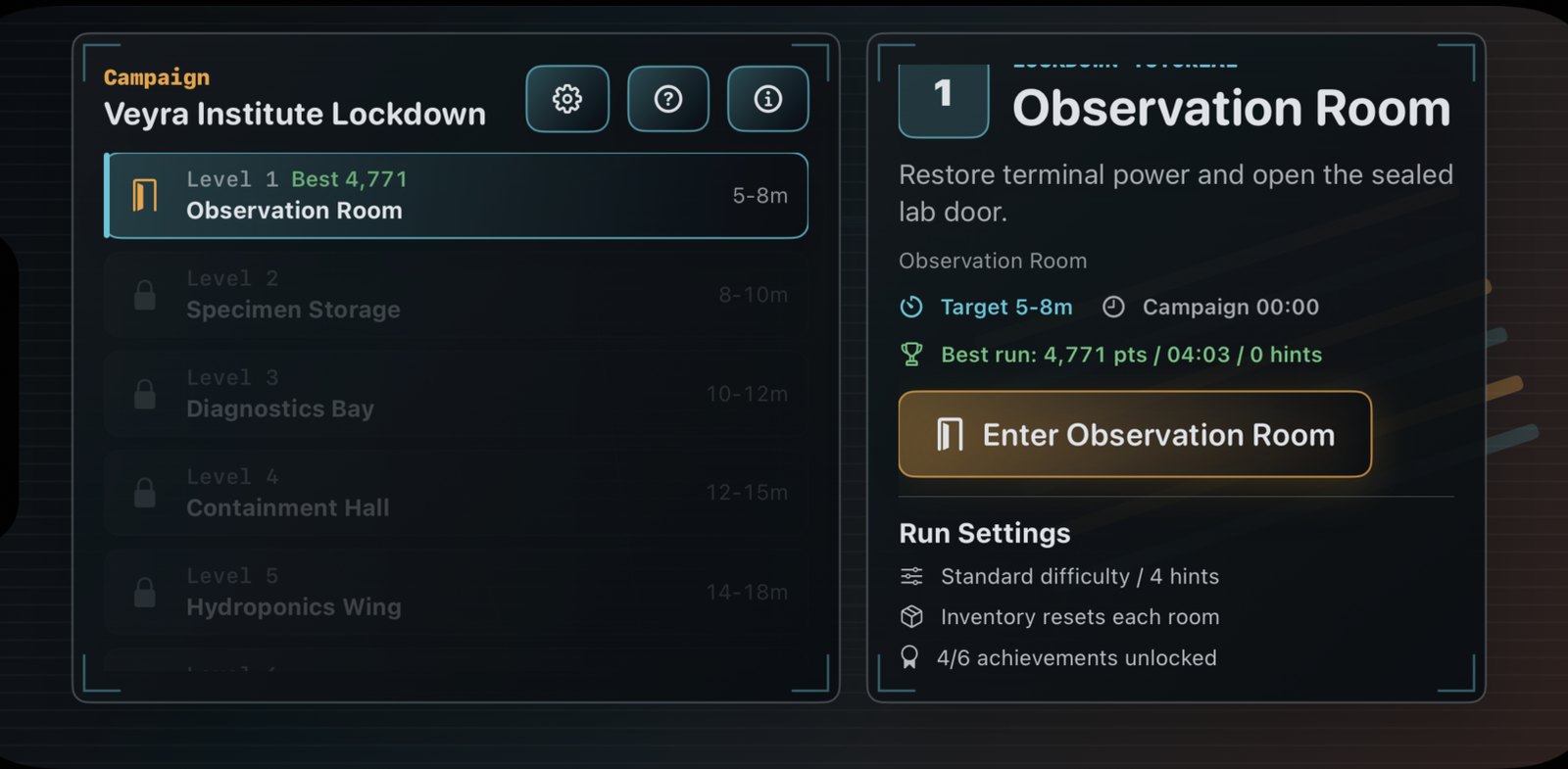
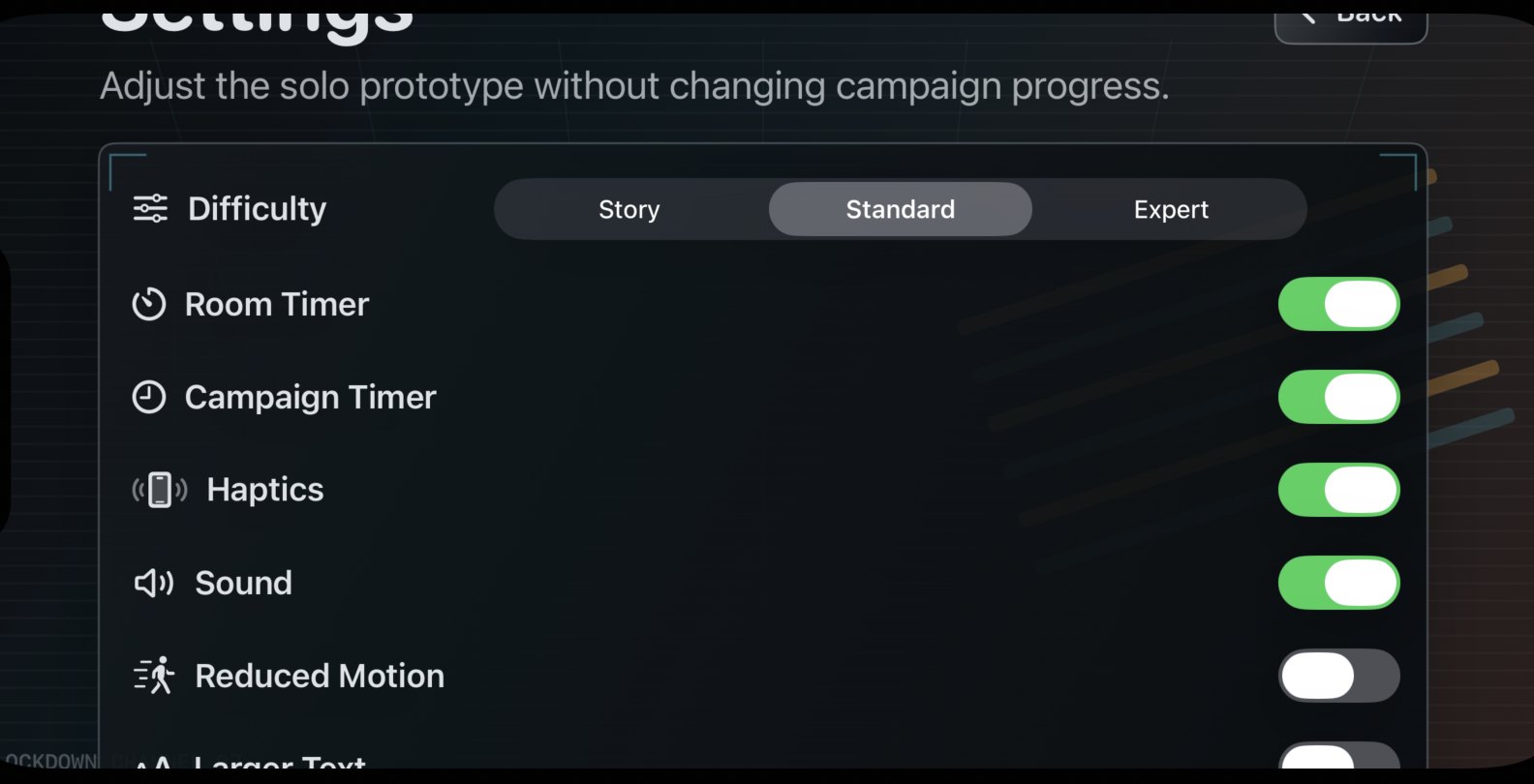
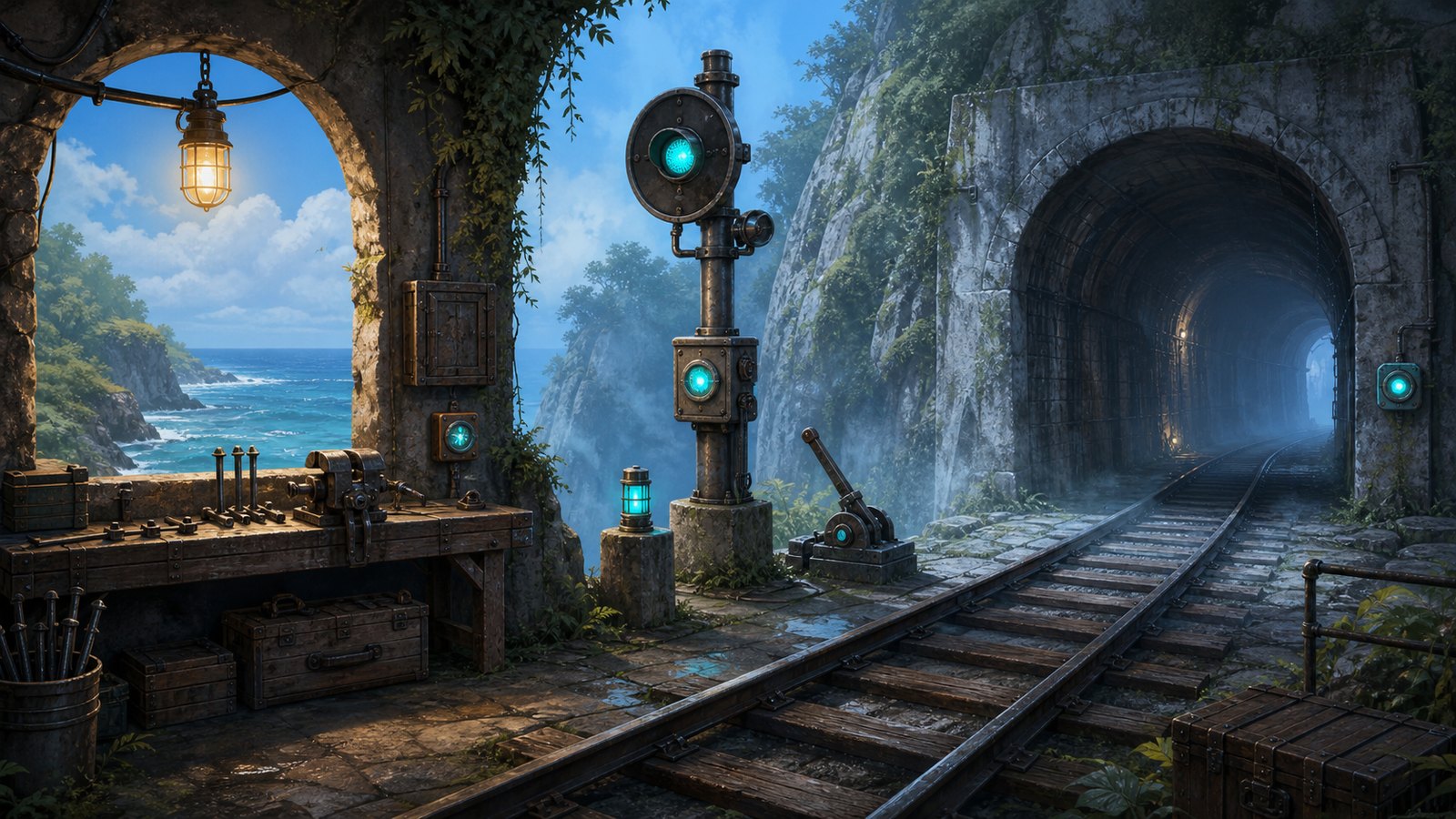
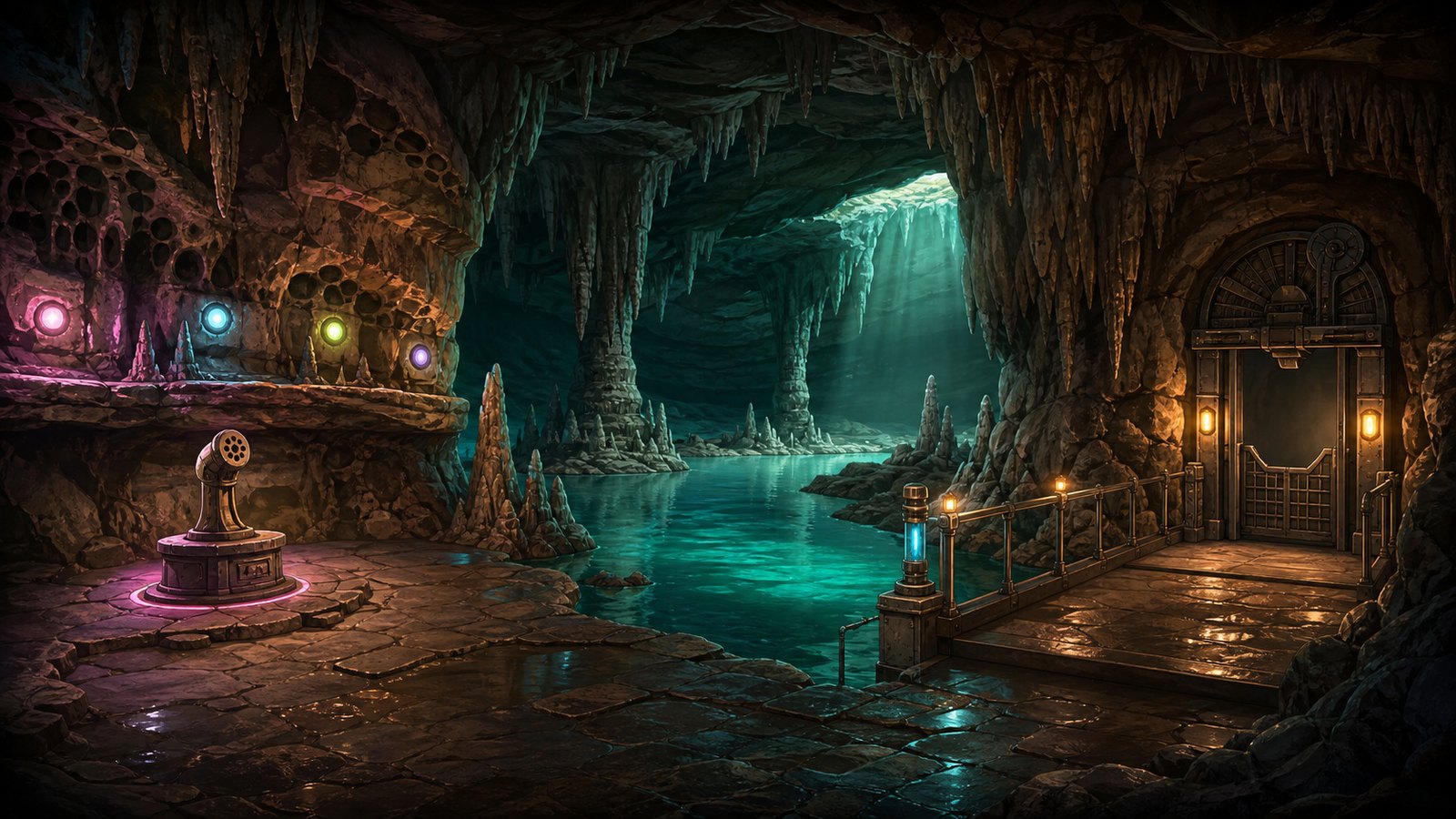
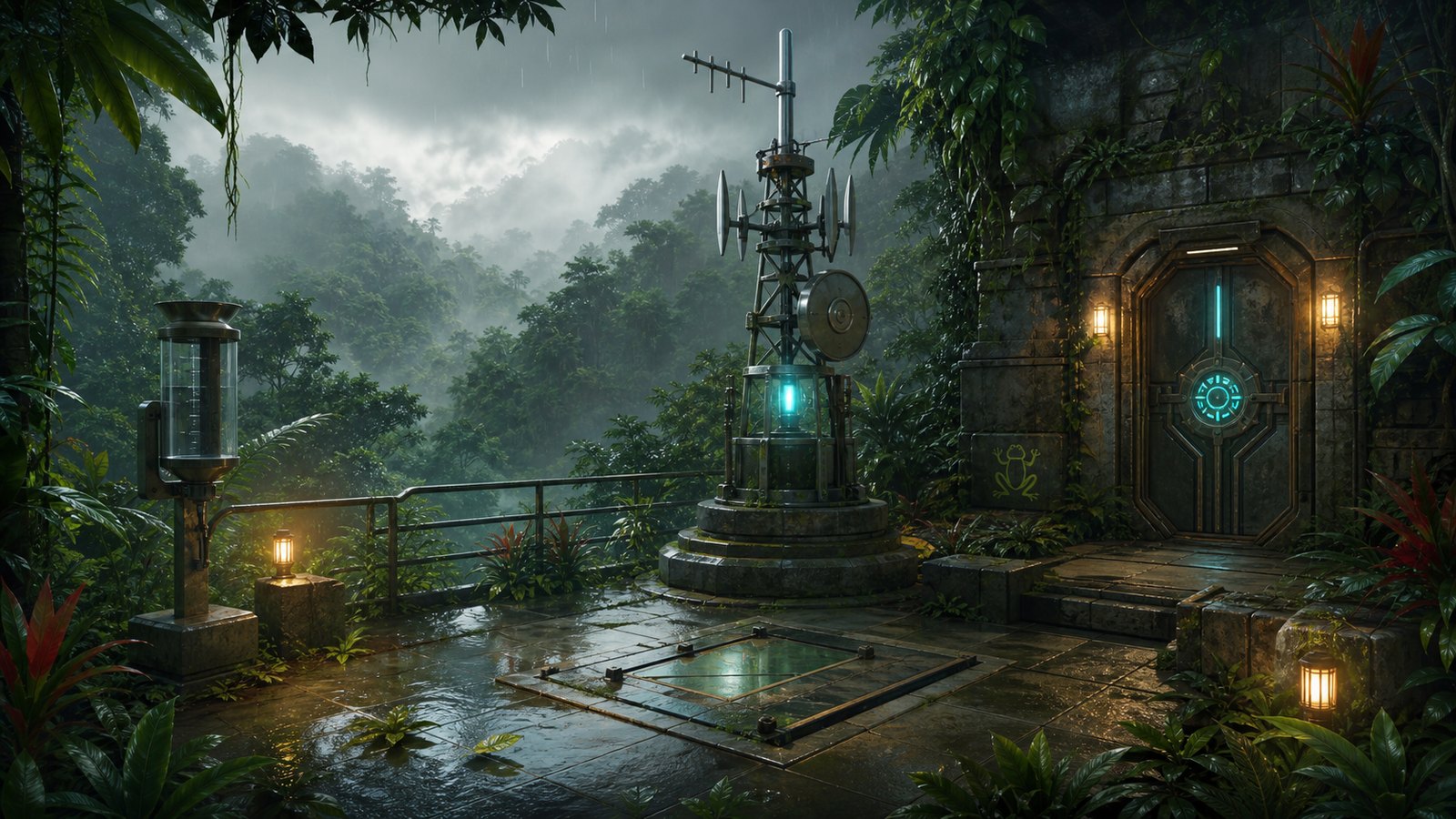
In-game captures from the current release-candidate landscape build.
The escape
Containment Protocol is about noticing what the facility leaves behind: torn logs, damaged panels, strange symbols, warning lights, and objects that only make sense once you connect them.
Tap lab equipment, drawers, terminals, badges, notes, and sealed doors to uncover the clue trail.
Collect small, believable items, combine the right parts, and restore access to dead panels and locked paths.
Codes, sequences, and symbols come from evidence you can point to after the door opens. No answer is ever printed on the lock that asks for it.
Each exit moves the story closer to the question at the center of Dangiom: who triggered the protocol, and why?
Dangiom Research Facility Lockdown
The player wakes inside a damaged research facility after an experimental energy system failure. Each room unlocks the next piece of the lockdown story: staff records, containment warnings, mirror-written clues, and the final Origin Nexus reveal.
Daily Room
Every player who opens the game on the same date gets the identical room with the identical generated answers, derived from the calendar rather than from chance. Clear it to start a streak, come back tomorrow to keep it, and compare your score against anyone else who played that day.
Puerto Rico Legends Add-On
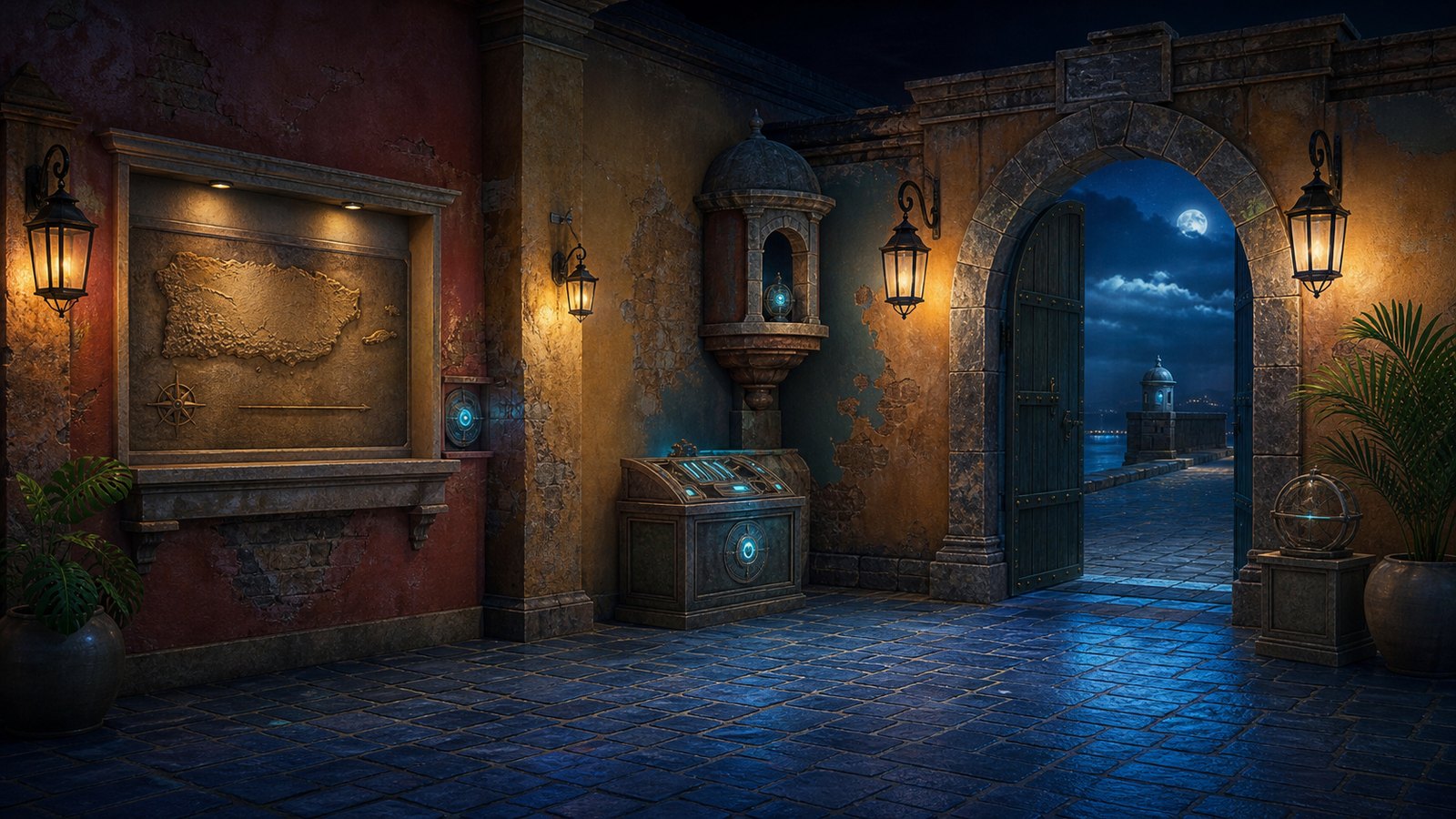
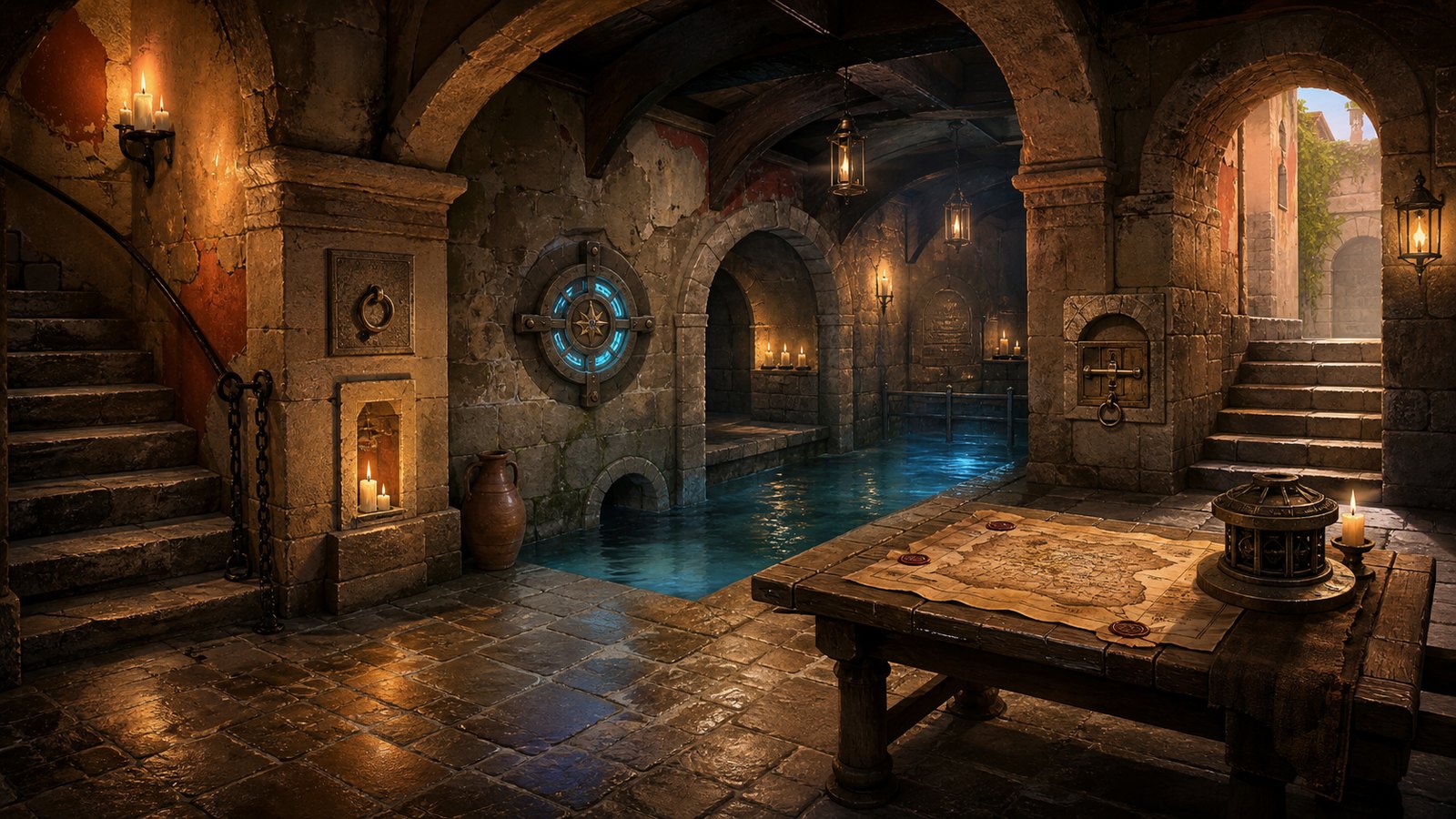
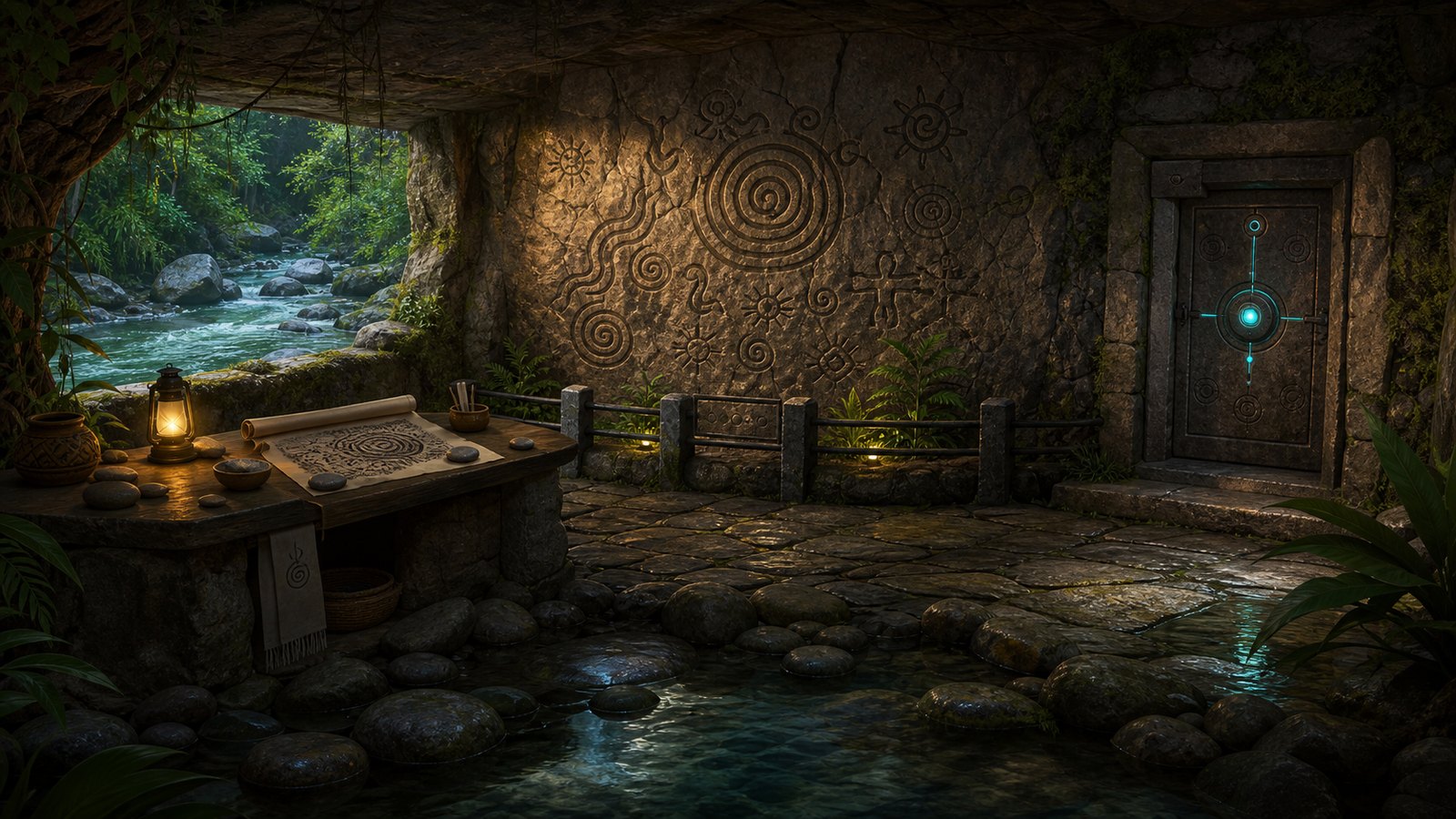
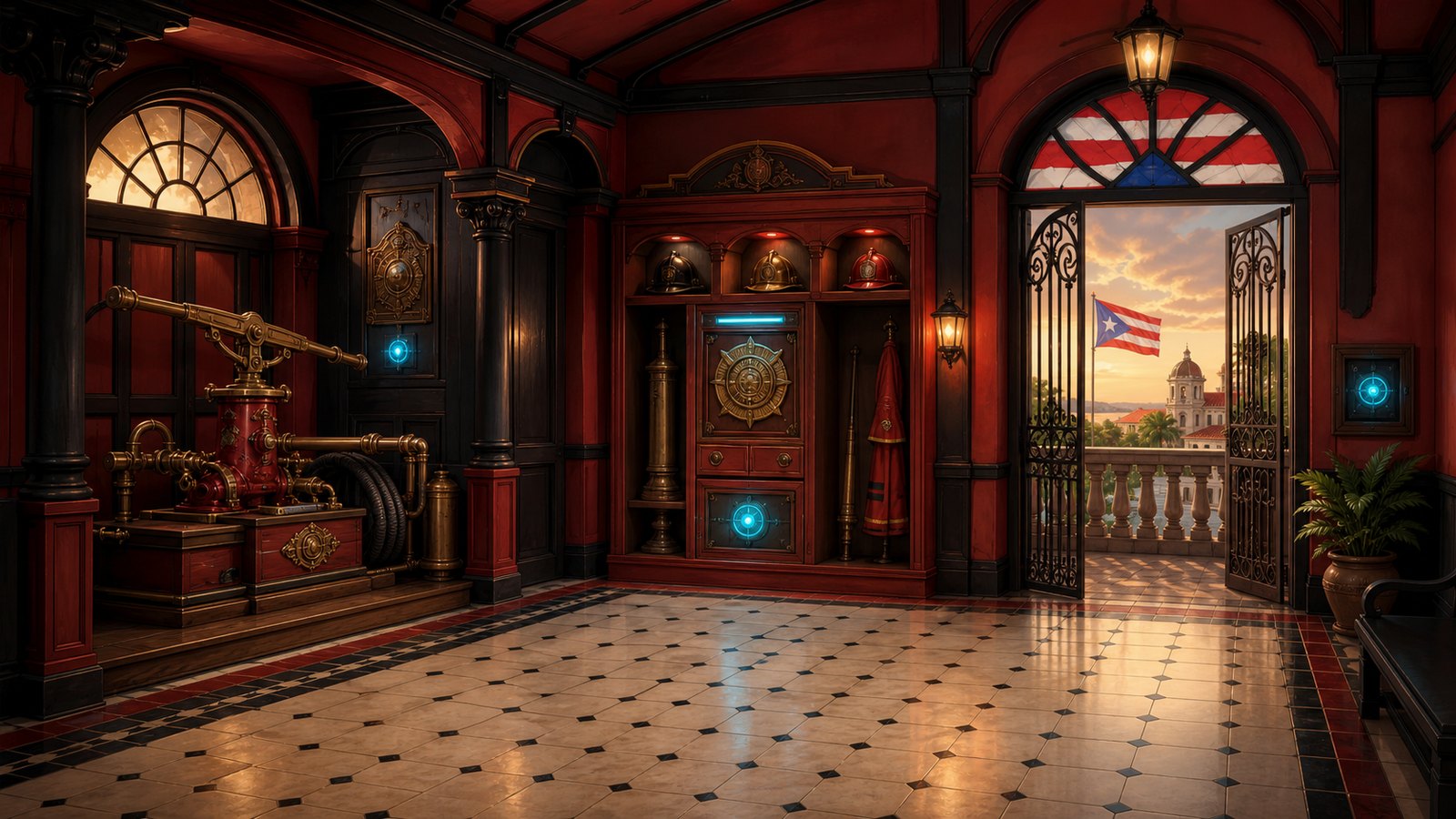
The add-on follows a separate route through Puerto Rico-inspired settings, from Old San Juan and El Morro to Camuy and El Yunque. Its rooms escalate beyond keypads into routes, pair boards, subset choices, dial banks, and switch mechanisms while cultural review, puzzle validation, polished room art, and purchase flow are finished.

Game systems
The interaction model favors readable panels, concise clue text, and tactile controls instead of tiny desktop-style UI squeezed into landscape.
Everything you inspect is kept in one place. Mark what matters yourself, and the log respects your read of the room.
Hints nudge before they instruct, tell you the score cost before you spend one, and never state an answer outright.
Operate keypads, letter locks, dial banks, switch panels, pair boards, subset selectors, and route pads built for phone-sized play.
Quit mid-room and the game returns your inventory, your solved panels, your clock, and the same generated answers.
Story, Standard, and Expert adjust marker clarity, hint limits, wording, and scoring pressure.
Separate progress, scores, and achievements per player, so the family can share one device.
Room time keeps counting through backgrounding, so best times reflect the real run.
No analytics, no accounts, no camera, microphone, contacts, or location. Saves and scores stay on the device.
The tone uses warning lights, broken equipment, logs, and isolation without graphic horror or jump scares.
Replay
Every room after the tutorial builds its answers fresh at the start of each run, so a solution you memorised is worthless the second time. What carries over is the thing worth having: knowing how the room thinks.